
Indicators keep refreshing. News never stops, and data is everywhere. Still, consistent decision-making remains a struggle for many traders. The issue is rarely a lack of information. It is the way that information is arranged and used. On most platforms, traders jump between disconnected tools. Charts sit in one tab. Scanners in another. Performance stats somewhere else. Journals are separate again. This scattered setup slows thinking, breaks focus, and increases small but costly errors.
The A-Trader platform is built differently. It brings analysis, execution, and review into one structured flow. Instead of switching between tools, traders move through a clear process from market insight to trade placement to performance evaluation. The result is a smooth workflow and stronger discipline.
The Real Problem With Most Trading Platforms
Many traders operate with several tools open at once. Charts run in one window. Scanners sit in another. Analytics live on a separate dashboard. Trade journals often end up in spreadsheets.
Individually, each tool may work perfectly. But together, they interrupt flow. Constant tab switching, manual risk calculations, and exporting data for review add mental strain. In fast-moving markets, even small interruptions can shape decisions in ways traders do not notice.
A modern platform should protect context from the moment a trade idea forms to the final performance review. That uninterrupted flow is a core principle behind how A-Trader is designed.
A Structured Decision Framework
Instead of stacking feature upon feature, A-Trader is built around a clear decision rhythm. The focus is not on complexity, but on sequence.
The process moves through four practical stages: discovery, commitment, evaluation, and behavioral insight. Each step supports the next. Ideas are identified with context. Trades are executed with defined intent. Results are reviewed with structure. Behavior is examined with honesty.
Together, these stages form a continuous feedback loop, helping traders refine both strategy and discipline over time.
Structured Market Awareness
Markets are noisy environments. Without filtering systems, traders can easily shift from structured analysis to reactive browsing.
Integrated market scanning tools inside A-Trader help narrow attention to relevant conditions such as developing trends, breakout structures, or volatility changes. The purpose of scanning is not prediction. It is prioritization. Because scanning and chart analysis exist within the same environment, traders move from opportunity identification to evaluation without losing context.
Execution With Built-In Risk Clarity
Execution is often where discipline breaks down. When traders must calculate position size separately or double-check risk parameters in another interface, friction increases.
The A-Trader trading platform integrates risk logic directly into the execution process. Position sizing and exposure remain visible at the moment of order placement. This reduces mental calculation and supports consistent behavior under pressure. The goal is not simply faster execution. It is clearer execution.
Converting Data Into Insights
Many platforms treat trade closure as the end of the workflow. In reality, it should mark the beginning of review.
Built-in trading analytics within A-Trader transform raw trade history into structured performance feedback. Traders can examine win rates, average returns, holding durations, and session-based performance patterns without exporting data elsewhere. This encourages process-based thinking rather than outcome-based thinking. Instead of focusing only on profit and loss, traders can evaluate adherence to strategy and consistency of behavior.
Monitoring Decision Drift
Technical performance metrics tell only part of the story. Long-term results are often shaped by behavior.
Subtle shifts such as increasing position size after losses or shortening holding times during volatile sessions can damage performance over time. A-Trader incorporates behavioral analysis that surfaces measurable changes in trading patterns.
This data-driven awareness allows traders to identify decision drift early and make adjustments before problems escalate.
A Clearer Way to Look at the Market
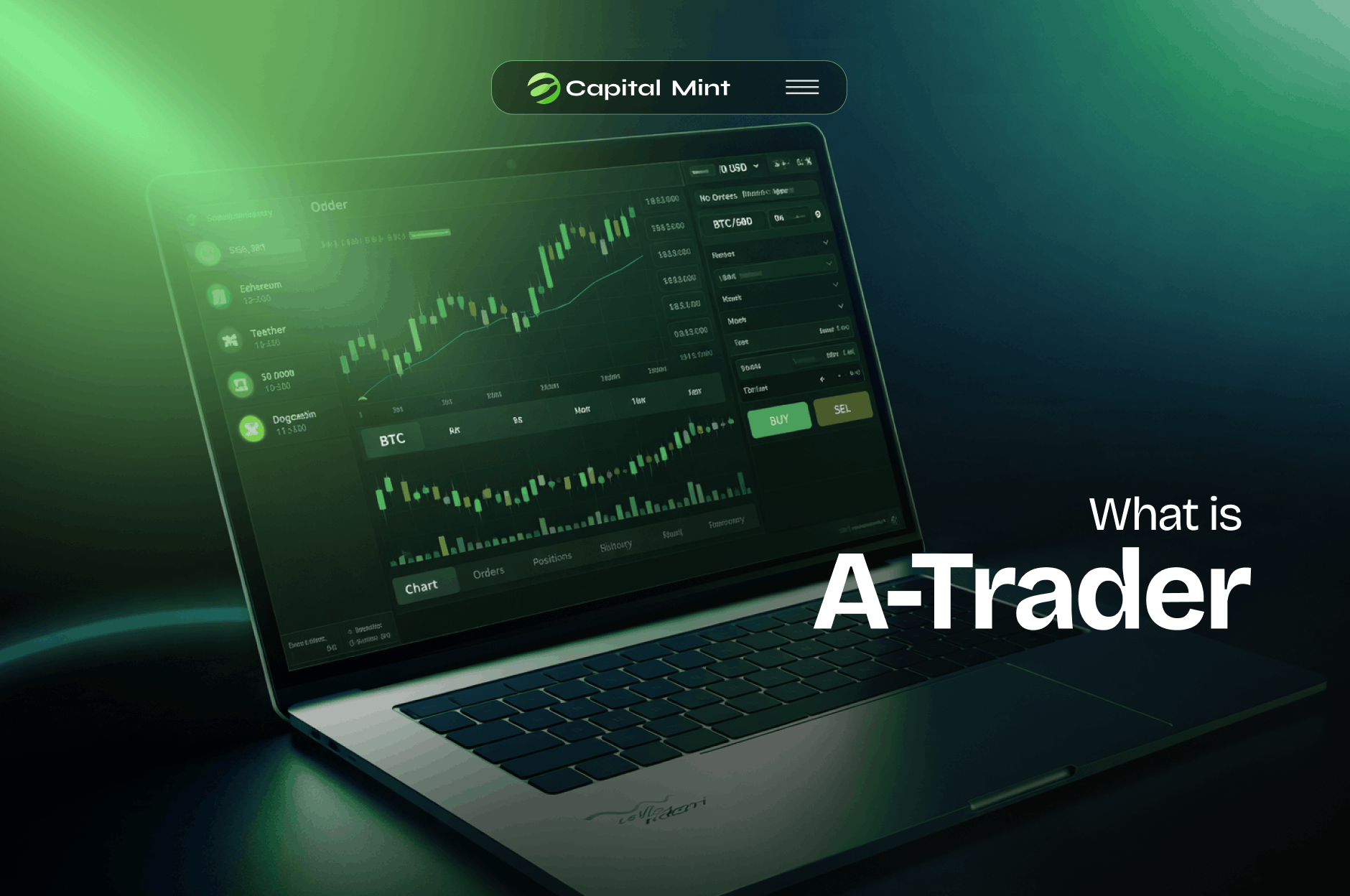
A-Trader maintains a familiar charting environment so traders can orient themselves quickly. The innovation lies not in redesigning charts but in integrating analytics, scanning, execution, and review within the same ecosystem.
Instead of moving between separate tools, traders operate inside a unified trading workflow. That reduction in context switching preserves mental clarity and supports disciplined execution.
Why Workflow-Centric Design Is Important?
In current markets, speed alone does not provide an edge. Clarity and consistency matter more. A modern trading platform should remove friction, protect context, and make review a natural part of the process. When workflow comes first, clarity improves. Instead of adding endless features, A-Trader concentrates on strengthening the flow from analysis to execution to reflection. The result is depth, not distraction.
The platform is powered by Arizet and is available exclusively through TX3. It is designed to prioritise decision quality rather than expanding unnecessary features. This focused design supports the ongoing improvement of tools that have a direct impact on trader performance.
The Final Words
Technology works best when it helps traders think more clearly instead of adding more steps to manage. The goal of the A-Trader platform is to make trading feel organised and purposeful, even when markets move quickly and information keeps changing.
The platform is built to follow the natural way traders make decisions. It begins with market discovery, where traders look for opportunities and understand current conditions. After that comes execution, where trades are placed with clear risk control and planned strategy. Next is evaluation, where every trade is reviewed to see what worked and what needs improvement. The final stage focuses on behavioral insight, helping traders understand their own habits, reactions, and patterns over time.
This complete system helps reduce random decisions and supports more thoughtful trading. Instead of jumping between different tools, traders can stay inside one environment and keep their focus on the task at hand.